
Inclusion & Accessibility
Inclusion & Accessibility
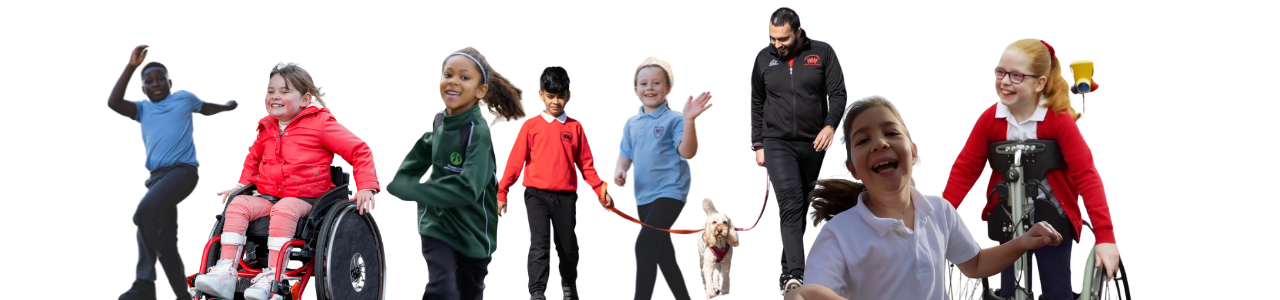
Every child deserves to feel able to take part.
The Daily Mile is designed to be flexible, inclusive and adaptable, so it works for all children including disabled children and children with additional support needs or special educational needs and disabilities (ASN/SEND).
We recognise that childrens’ experiences of movement, wellbeing and belonging are shaped by many factors, including culture, background and identity. We ensure inclusive practice for children from all communities, by encouraging flexible delivery, listening to pupil voice, and working with schools to remove barriers to participation and representation.
There is no single “right way” to do The Daily Mile. What matters is that children are supported to move in ways that work for them, feel a sense of belonging, and can take part at their own pace.
Inclusion isn’t about expecting children to adapt to The Daily Mile it’s about adapting The Daily Mile to meet children where they are.
Inclusive movement should feel safe, respectful and enjoyable.
Inclusive by design
The Daily Mile is inclusive by design. This means:
- Children choose their pace
- Children choose how they move: running, walking, wheeling or supported movement
- Participation can look different from day to day
- Belonging, enjoyment and wellbeing matter as much as physical activity
If children are moving in a way that works for them, you’re doing The Daily Mile right.
Removing barriers
Children’s opportunities to move are not equal. Factors such as poverty, access to safe space, equipment, cultural expectations and wider inequalities can shape children’s experiences of physical activity.
The Daily Mile is designed to be free, simple and accessible, so schools in every setting, including those facing higher levels of deprivation, can support daily movement without cost or specialist equipment.
We encourage flexible delivery that reflects the realities of each school and the children and families it serves.
Supporting disabled children and children with SEND
Every school community is different. The examples below show how The Daily Mile can be adapted to remove barriers and support participation for a wide range of needs.
Neurodivergent children
(including autistic children and children with ADHD)
Helpful approaches may include:
- Keeping routines predictable (same time, same route)
- Using visual supports or countdowns
- Offering quieter routes or space away from noise
- Being clear about start and end points
- Allowing children to step out and rejoin when needed
Wherever possible, involve children in shaping what helps them feel comfortable and included.
Many of these adaptations benefit all children, not just neurodivergent children.
Physical disabilities and mobility needs
The Daily Mile is about movement, not running.
Children may take part by:
- Wheeling, walking or using mobility aids
- Choosing inclusive or adapted routes
- Taking part with adult or peer support
- Moving for shorter or flexible periods of time
Social, emotional and mental health needs
For some children, taking part in group activity can feel overwhelming. Inclusive practice may include:
- Supported or gradual starts
- Walking with a trusted adult or peer
- Emphasising enjoyment over distance or speed
- Creating calm entry and exit points
- Supporting emotional regulation before and after activity
Medical needs and variable energy levels
Some children experience fatigue, pain or fluctuating capacity.
Inclusive approaches include:
- Flexible participation
- Adjusting intensity or duration
- Listening to children and responding to how they feel on the day
- Normalising partial participation
Children should never be made to explain or justify their needs to take part differently.
Participation does not need to look the same for every child, every day.
Teacher notes: inclusive practice
You don’t need specialist training to begin adapting The Daily Mile. Inclusive practice grows through everyday choices, listening to children, and working with support staff where needed.
Inclusive practice often comes from:
- Small, everyday adaptations
- Listening to children’s voices
- Co-creating routines with children
- Flexibility over rigid rules
If children feel able to join in, in ways that work for them, inclusion is already happening.
Safeguarding and wellbeing
Children’s safety and wellbeing should always come first.
When adapting The Daily Mile, schools should follow their existing safeguarding policies and supervision practices, ensuring children are supported appropriately during outdoor activity and movement.
Inclusive practice means:
- Maintaining appropriate adult supervision at all times
- Being mindful of children who may need additional support or reassurance
- Respecting privacy and dignity when children take part differently
- Ensuring adaptations never involve isolation or exclusion
Any concerns about a child’s wellbeing should be handled in line with your school’s safeguarding procedures.
Child voice
Children are experts in their own experience.
Schools tell us that simple conversations with pupils often lead to the most meaningful changes, whether that’s choosing quieter routes, walking with a friend, or helping design how The Daily Mile looks in their class.
Listening to children helps create routines where everyone feels respected, included and able to take part.